
Sculpture Installations: From Concept to Gallery Floor
How artists transform visions into immersive spatial experiences. We're exploring the complete process from initial concept through installation, featuring Czech contemporary sculptors.
What Makes Installation Different
Sculpture isn't just about creating an object. When you're working with gallery installations, you're designing an experience—something that changes how visitors move through and perceive the space. It's the difference between viewing a sculpture in isolation and stepping into an environment where the artwork surrounds you.
The process isn't linear. Artists don't sketch a design, build it, and install it. Instead, there's constant conversation between the artist's vision, the gallery's architecture, the available materials, and practical constraints. This dance between imagination and reality is what makes installation work compelling.
Stage One: Concept Development
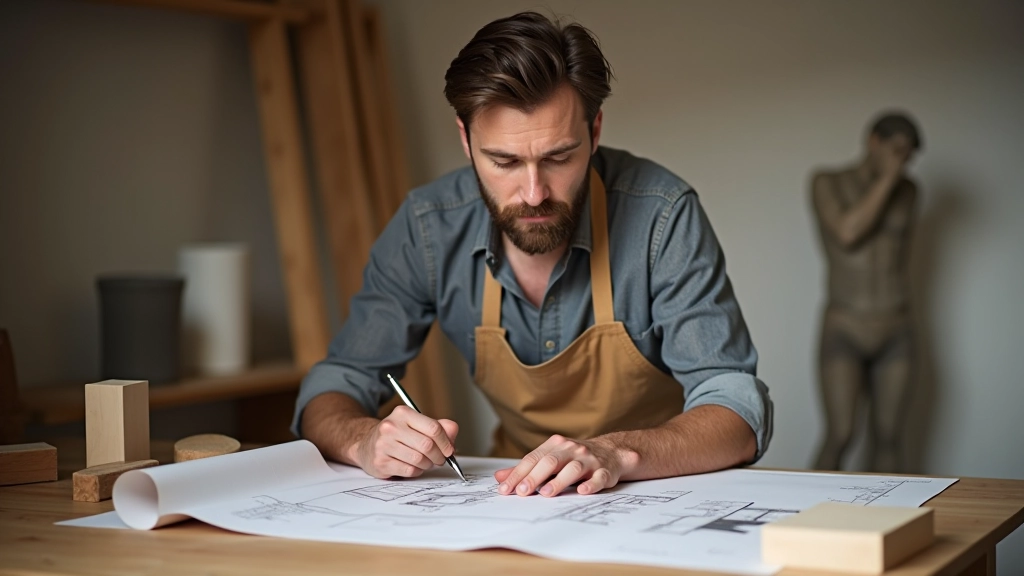
Everything begins with a question or observation. Maybe an artist notices how light hits a particular corner of a room, or they're fascinated by how people navigate a hallway. That observation becomes the seed for the entire installation.
Czech sculptor Tereza Bílá describes her process: "I spend weeks just sitting in the space. I'm not sketching yet. I'm watching. I'm understanding how the architecture breathes." This isn't wasted time—it's crucial research. The dimensions matter, but so does how windows frame the walls and where natural light pools at different times of day.
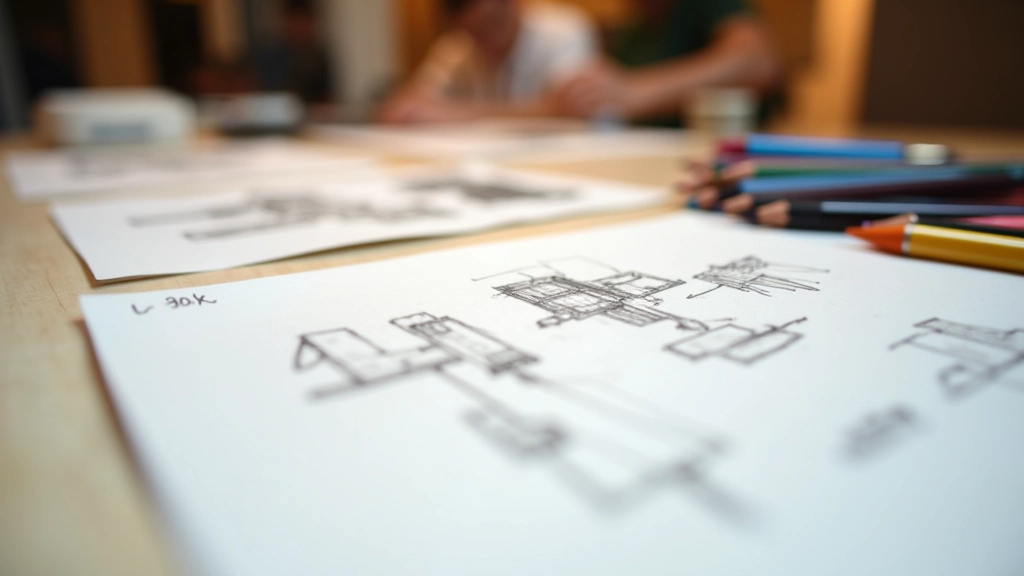
Sketches come next, but they're rough explorations, not final blueprints. Artists use quick drawings—sometimes just perspective studies with basic shapes—to test ideas. The goal is capturing relationships: how elements relate to each other and to the space itself. Most artists create 10-20 concept sketches before one feels right.
Choosing Your Materials
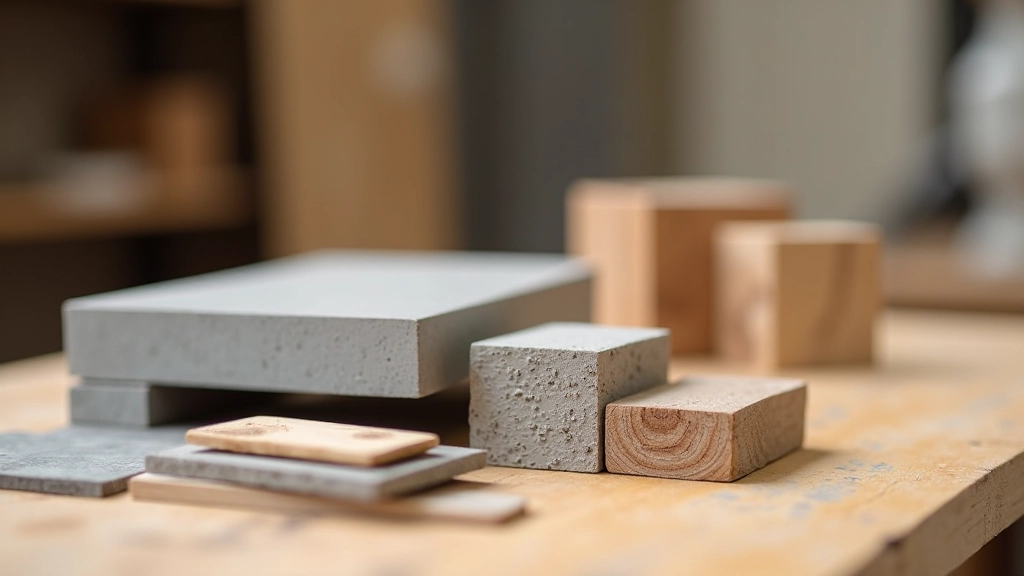
Material choice shapes everything. Steel feels industrial and precise. Concrete reads as monumental and raw. Wood invites warmth. Resin can be transparent or opaque, casting light through itself or blocking it entirely.
The practical considerations are equally important. How much does this material weigh? Will it survive humidity changes in the gallery? Can you source it reliably? Will it require special installation equipment? A 3-meter steel form might demand a crane rental—budget-wise, that changes everything.
Most galleries work with materials they've handled before. A space with good climate control can handle delicate materials like paper or resin. Older buildings with fluctuating humidity require more durable choices. Some materials need finishing work—paint, sealant, patina treatment—that extends the timeline by weeks.
Building Scale Models
Before building full-size, artists create models. Not always—some work directly at scale, trusting intuition. But most create a maquette: a smaller version (typically 1:10 or 1:20 scale) that helps test proportions and spatial relationships.
The model reveals problems early. You might discover that what looked balanced at full-size sketches actually feels cramped at model scale. The sight lines shift. Elements that seemed visually separated now crowd each other. This is when you adjust, not when you're on site with materials already ordered.
Professional galleries often photograph models from multiple angles, sometimes even photographing them within photos of the actual gallery space (using digital overlay). It's a way to preview the installation before committing resources. Some artists skip this step entirely, preferring the spontaneity of responding to the space as they work.
The Installation Phase
Site Preparation
The gallery team prepares the space: protecting floors, marking out areas, ensuring utilities are clear. It's methodical work that takes 1-2 days for most installations. Protective coverings go down. Reference points get marked with tape.
Assembly & Positioning
Elements arrive (sometimes pre-fabricated, sometimes raw materials for on-site fabrication). Assembly happens according to the artist's specifications. For large works, this takes 3-5 days. Precision matters—tolerances of 2-3 centimeters can shift the entire visual effect.
Lighting & Refinement
Once the form is positioned, lighting design becomes critical. Shadows change everything. The artist and lighting technician work together, sometimes testing different angles over several hours. Final adjustments happen at this stage.
Documentation & Opening
Professional photographs are taken before the gallery opens to the public. These become the official record. The artist does a final walk-through, ensuring everything matches their vision. Then visitors arrive.
Real Challenges Artists Face
Theory is clean. Reality is messy. An artist's grand vision meets a gallery with a slightly uneven floor, aging electrical infrastructure, or unexpected structural limitations. You planned for perfect conditions. You got something different.
Here's what actually happens: Materials arrive damaged—a corner of resin gets cracked in shipping. You're improvising repairs 48 hours before opening. The humidity spikes unexpectedly. Wood expands. Joints shift. The installation team flags safety concerns about weight distribution that weren't apparent from sketches. The artist has to problem-solve in real-time.
Time is the invisible constraint. A two-week installation window is standard. If complications arise—and they usually do—there's no extending the deadline. You work longer hours. You simplify certain elements. You accept that perfection is impossible and aim for honest work.
Czech Installations Worth Knowing
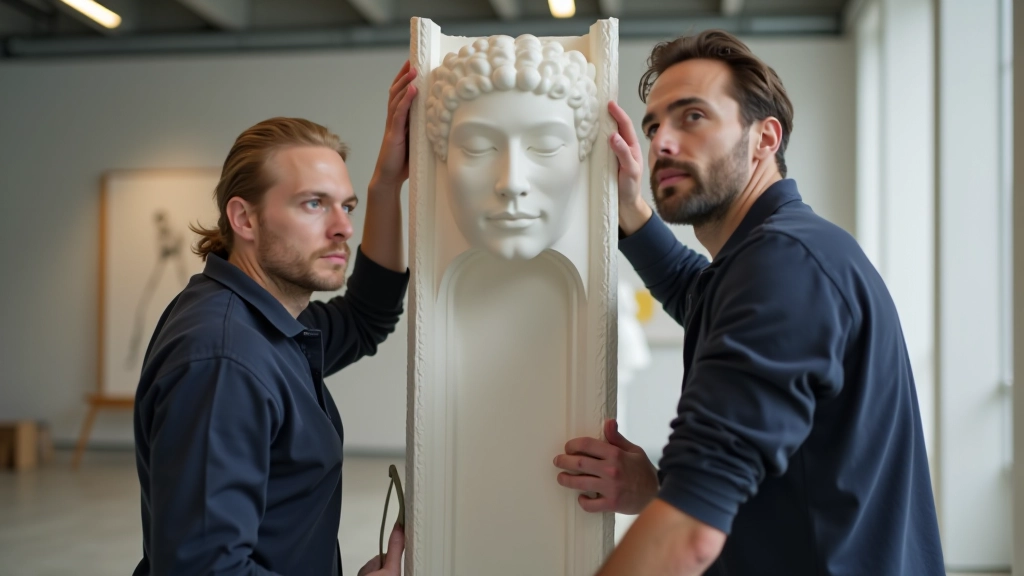
Contemporary Czech sculptors are doing interesting work with installation. They're not just placing objects in galleries—they're rethinking what sculpture can do in a space.
Tereza Bílá's Spatial Experiments
Bílá works with concrete and steel, often creating installations that respond to the specific architecture of each gallery. Her pieces aren't meant to be portable—they're created for particular spaces. This approach means she spends significant time understanding each location before designing anything.
Roman Štěpán's Interactive Forms
Štěpán creates installations that change based on viewer perspective and movement. His work demonstrates how installations become dynamic experiences rather than static objects. A piece that looks abstract from one angle reveals figuration from another.
Emerging Voices
Younger Czech artists are experimenting with sustainable materials and modular systems. Some create installations meant to be temporary, existing for a single exhibition season before being recycled or repurposed. This approach changes how they think about material and permanence.
Typical Installation Timeline
Initial concept development, research, preliminary sketches
Refined designs, material selection, budget confirmation, scale model creation
Material sourcing, fabrication begins, final design approval
Fabrication continues, shipping arrangements, installation crew coordination
Final assembly, site preparation, 2-3 week installation window
Opening to public, exhibition runs (typically 6-12 weeks)
Key Insights for Understanding Installations
Space Is Part of the Art
The gallery isn't just a backdrop. It's part of the artwork. Artists consider proportions, sightlines, and how visitors will move through the space.
Process Matters More Than Plan
Installation work is responsive. Artists plan thoroughly, but they're also willing to adapt when reality diverges from expectations. Flexibility isn't a compromise—it's essential.
It's Collaborative
Curators, technicians, fabricators, and gallery staff all shape the final result. The artist's vision is crucial, but it's realized through teamwork.
Timeline Is Realistic
Quality installations take 4-6 months from concept to opening. You can't rush this without sacrificing quality or safety. The time investment reflects the work's ambition.
Ready to Explore Contemporary Sculpture?
Understanding how installations come together enhances how you experience them. Visit galleries with fresh eyes, noticing how artists use space and light. Attend opening receptions when possible—you'll often find artists willing to discuss their process and thinking.
Explore Our Gallery

About This Article
This article is informational and educational in nature. It reflects general practices in contemporary sculpture installation based on interviews with Czech artists, gallery professionals, and installation technicians. Individual artists and galleries may follow different approaches. If you're planning a sculpture installation or working with galleries, we encourage you to consult directly with experienced curators and installation professionals in your region. Installation practices vary by location, venue, and artistic vision. This content is intended to help readers understand the process, not to provide specific technical or professional guidance.