Art Theory
Reading Abstract Art: What's Actually Happening
Not every painting needs to look like something. Learn how galleries approach abstraction and why it matters to contemporary practice.
Why We're Confused by Abstraction
Walk into a gallery and you'll see it. Someone standing in front of a canvas—just color, shapes, no obvious subject—with a slightly puzzled expression. There's a quiet frustration in that moment. We're trained to recognize things. A portrait means "person." A landscape means "place." But abstract art doesn't follow those rules, and that's actually the whole point.
The confusion isn't a failure on your part. It's intentional. Contemporary galleries have embraced abstraction because it does something representational art can't: it makes you work. You're not reading a finished story—you're building one in real time based on color, texture, movement, and your own emotional response.
Color as Language
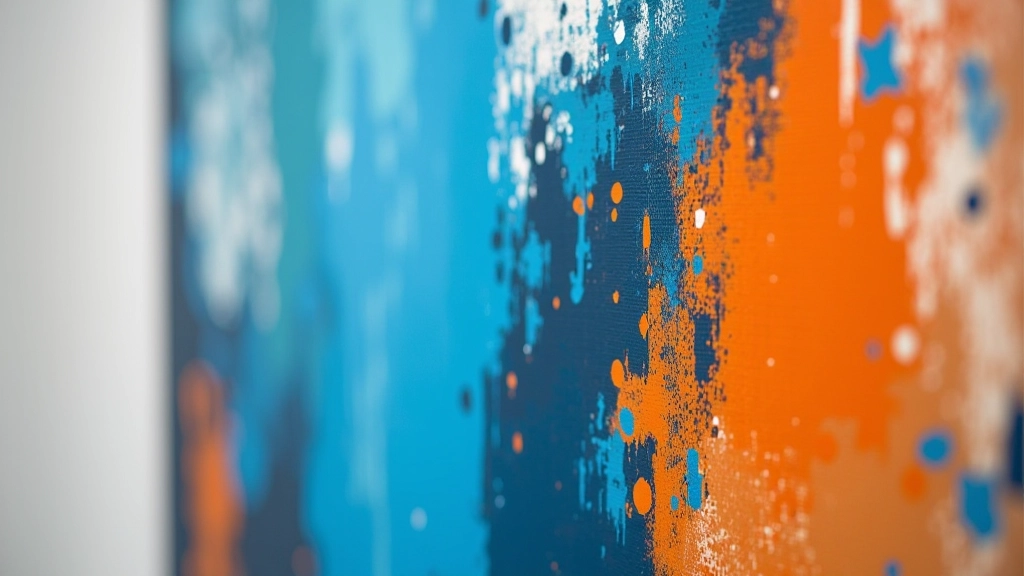
Here's what curators know that most people don't: abstract painters aren't randomly throwing paint. They're making deliberate choices about how colors interact. A deep crimson next to pale gray isn't accident—it's tension. It's asking your eye to work.
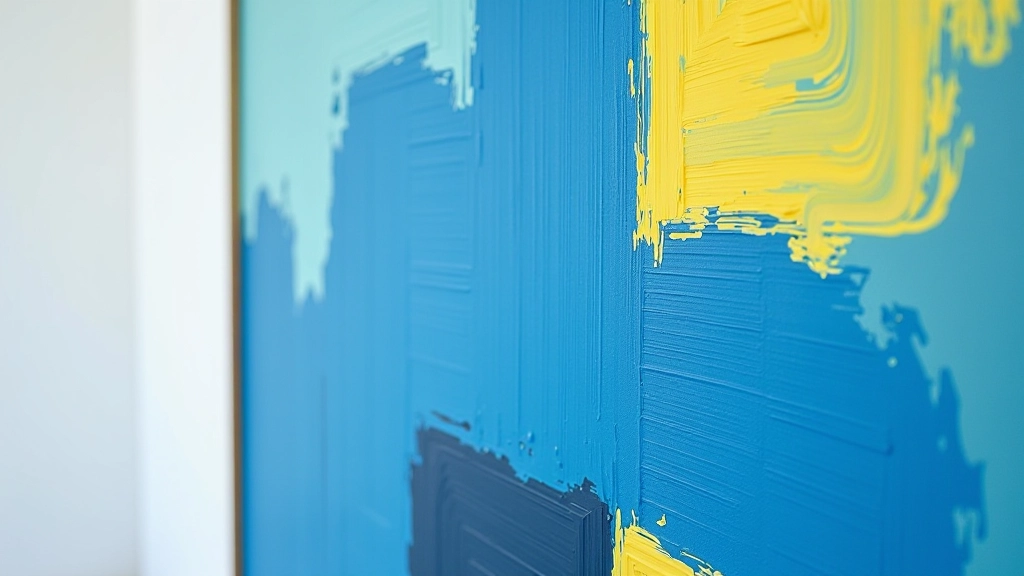
When you stand in front of a painting that's mostly blue with a single yellow mark, your brain immediately asks: Why is that yellow there? What does it change? That question is the entire conversation. Some viewers see conflict. Others see balance. Both are right. The artist created a space where meaning isn't fixed—it's personal.
Czech galleries like ours have spent years training visitors to see this way. We're not asking "What is it?" anymore. We're asking "What does it make you feel?" That shift—from literal to emotional—is where abstraction gets interesting.
Composition Over Representation
Abstract artists care about composition the way musicians care about rhythm. Where is the weight? Where's the movement? How does your eye travel across the canvas? These aren't small questions.
A good abstract painting—and we've seen thousands—has an internal logic. Lines don't go nowhere. Shapes balance each other. Colors create paths for your vision. It's architecture without being about anything concrete. That's harder than it sounds. Anyone can make random marks. Creating intentional visual structure that has no reference point? That takes serious skill.
When emerging artists approach us for exhibitions, we're looking for exactly this. Can they sustain a visual idea for 90 minutes of looking? That's the real test.
Three Practical Ways to Read an Abstract Piece
01
Start with Movement
Forget what it "is." Instead, notice how your eye moves. Does it go left to right? Does it get stuck somewhere? Does it circle? The artist designed that path. Following it tells you something about their intention.
02
Look at the Edges
Abstract work is often about what's not shown. How does the piece end? Does it feel contained or does it seem to extend beyond the frame? Soft edges or hard? These details reveal how the artist wants you to experience the work.
03
Notice What You're Avoiding
Sometimes there's a part of the painting you don't want to look at. It's jarring or uncomfortable. That's probably intentional. Artists use color, texture, and composition to create visual resistance. Noticing it is half the conversation.
The Gallery Experience Matters
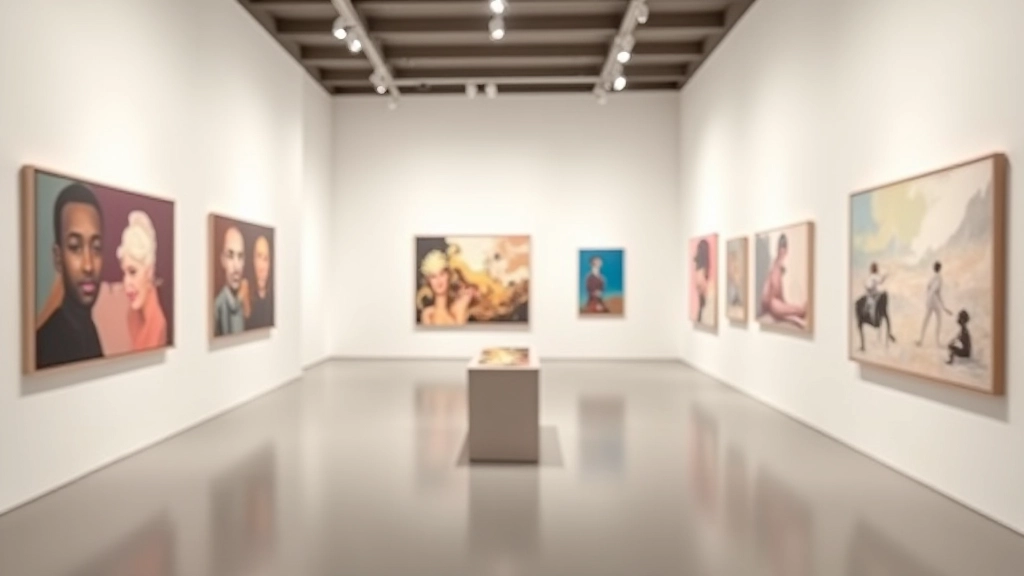
There's something crucial about seeing abstraction in person. A photo doesn't capture texture. It doesn't show you how the piece occupies space. And it definitely doesn't show you scale. Standing in front of a 3-meter canvas is completely different from seeing it on a screen.
"Abstract art isn't trying to deceive you. It's trying to communicate directly with how you see, not what you see."
We've watched thousands of visitors spend time with abstract work. The ones who get frustrated quickly usually leave. The ones who stay—who sit on the bench, who come back a second time—they're having a conversation. That's not pretentious. That's genuine engagement.
Why Galleries Keep Rotating Abstract Work
Our gallery rotates exhibitions every 8-10 weeks. For abstract work especially, this matters. A painting you dismissed in January might completely change how you see it in April. Your visual literacy improves. You start noticing things—subtle color relationships, compositional patterns—that you missed before.
We've also learned that abstract work benefits from fresh eyes. Emerging artists particularly. When we feature a young artist's first solo show, the rotating schedule means they're not competing for attention against the same tired pieces visitors saw last month. Everyone—artist and viewer—gets something new.
This is how galleries build community around abstraction. It's not one moment of "getting it." It's repeated exposure, conversations, and gradual comfort with not needing to understand everything immediately.
The Real Work Happens in the Silence
Reading abstract art isn't passive consumption. You're not getting information handed to you. Instead, you're building a personal relationship with color, composition, and space. That takes time. It takes willingness to sit with uncertainty.
Next time you're in front of an abstract piece that frustrates you—stay longer. Don't try to "solve" it. Just let your eye move where it wants to go. Notice the colors. Notice how they make you feel. That's not pretentious. That's exactly what the artist wanted.
Want to experience abstract work in person? We're open Wednesday through Sunday, with rotating seasonal exhibitions featuring emerging and established contemporary artists.
Explore Our Current ExhibitionsAbout This Article
This article presents perspectives on contemporary abstract art practice based on curatorial experience and gallery practice. Interpretations of abstract work are inherently subjective—there's no single "correct" way to read a piece. Art appreciation develops differently for each viewer, and personal responses are valid regardless of formal training. For deeper exploration of specific artworks or artists, we recommend visiting galleries in person and engaging with professional art criticism from established sources.
Related Articles