
Supporting Emerging Artists: Gallery Selection Process
What it actually takes to get into contemporary galleries. We spoke with curators about how they discover and develop new talent.
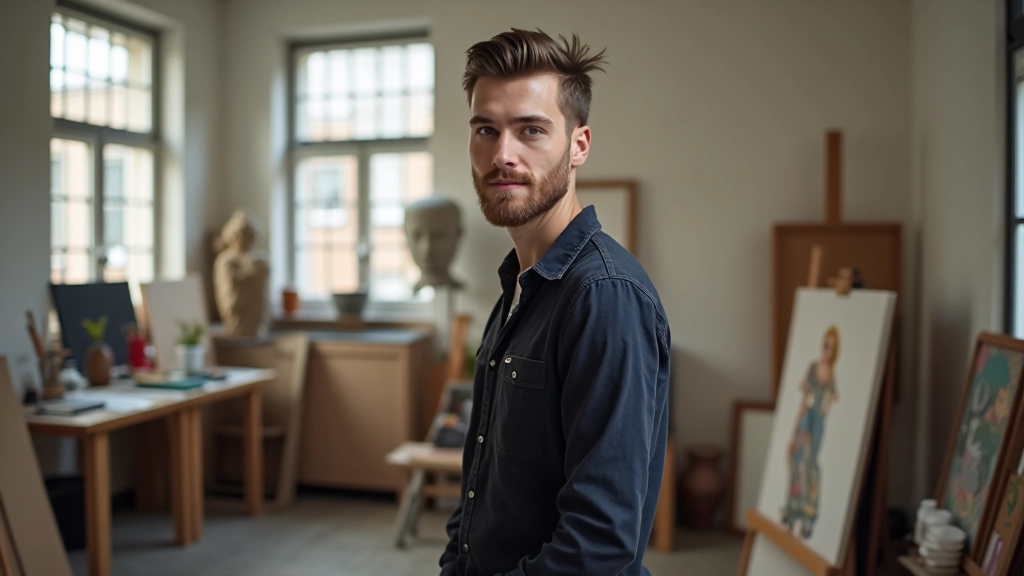
The Gallery Door Opens Slowly
Getting your work into a respected gallery isn't about luck. It's a deliberate process that starts long before you ever hang anything on a wall. Curators don't wake up one day and decide to feature an unknown artist — they're actively hunting for talent through specific channels and looking for artists who fit their vision.
We're not talking about online portfolios or mass emails. The real process is more nuanced. It's about understanding what galleries actually need, how curators think, and where emerging artists fit into their exhibition strategy.
How Galleries Actually Discover Artists
Three main channels bring emerging work to curator attention
Studio Visits & Personal Networks
This isn't about knowing someone famous. Curators regularly visit artist studios, attend degree shows, and talk to other artists. They're building relationships. If you're working seriously, showing your process, and connected to your local art community, curators will eventually find you. One gallery director we spoke with said they visit 40-50 studios per year.
Art Fairs & Exhibition Screenings
Regional art fairs, group shows, and open studio events are where galleries scout talent. These aren't just networking opportunities — they're auditions. Galleries see how your work stands up in person, how it's presented, and whether it resonates with actual visitors. Showing work publicly, even in smaller venues, gets you on curator radars.
Institutional Recommendations
Art schools, artist collectives, and established mentors make referrals. Galleries trust these sources because they understand the quality standards. If your professor or an artist you've studied under recommends you to a curator they know, that carries real weight. It's not about who you know — it's about who vouches for you.
What Curators Actually Look For
It's not just about making beautiful work. Here's what separates artists who get gallery representation from those who don't.
Conceptual Clarity
Can you explain your work in a paragraph? Curators need to understand your practice quickly. It doesn't need to be complex — just coherent. They want to know what drives your work and why it matters.
Technical Execution
Your work needs to be well-made. That doesn't mean perfect — it means intentional. If there are flaws, they should feel deliberate, not accidental. Galleries stake their reputation on what they show.
Professional Presentation
How you present your portfolio matters. Good photography, clear documentation, organized materials — these signal that you're serious about your practice. You don't need expensive equipment. You need consistency.
Growth & Development
Galleries want to see where you're heading, not just where you've been. Your work should show evolution. Are you deepening your ideas? Expanding your technical range? Galleries invest in artists, not just individual pieces.
The Real Timeline
Here's what a typical emerging artist journey looks like from first studio visit to gallery representation
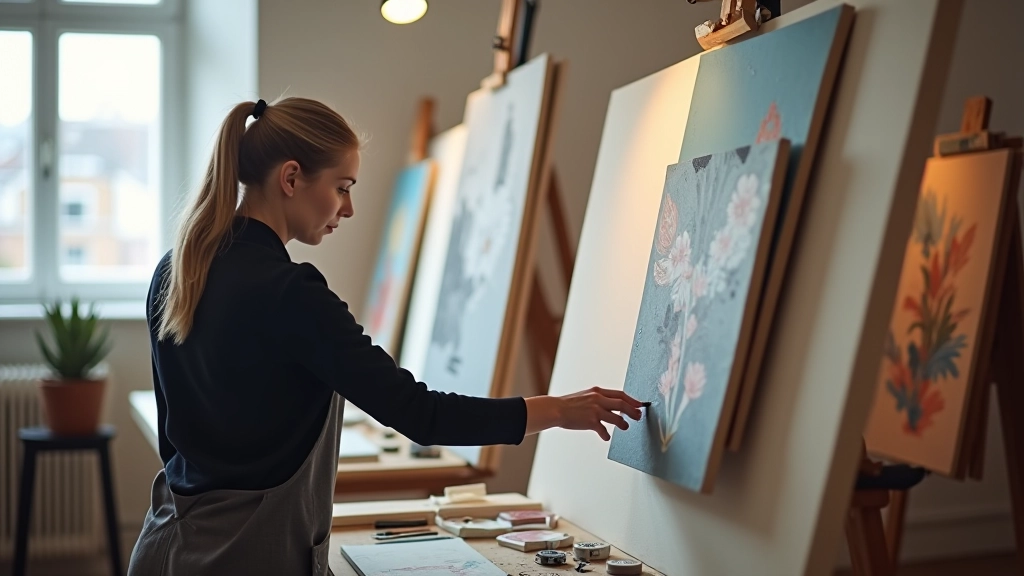
Most emerging artists don't go from unknown to gallery representation overnight. Here's what actually happens: You're making work consistently. You're exhibiting locally — student shows, group exhibitions, artist-run spaces. You're building a body of work that demonstrates your voice.
Around year 2-3 of consistent work, you start getting noticed by galleries. A curator sees your work in a group show. They come to your studio. They might not offer representation immediately — sometimes they wait to see how your work develops over the next year. When galleries do approach emerging artists, it's usually because they've been watching for 6-12 months already.
The timeline varies. Some artists get picked up in 18 months. Others take 5 years. The common thread? They never stopped working, showing, and developing their practice.
How to Prepare for Gallery Opportunities
Practical steps you can take right now
Document Everything
Professional photographs of your work. Clear, consistent lighting. Multiple angles if necessary. This documentation becomes your portfolio — the first thing galleries see. Invest in a good camera or hire a photographer for a day. It's worth it.
Build Your Artist Statement
Write a clear statement about your work. One page maximum. Curators want to understand your thinking. It doesn't need to sound academic — just honest and thoughtful. Include what you're exploring and why it matters to you.
Create a Simple Portfolio
A website or printed portfolio showing 12-15 of your strongest works. Organization matters. Include dates, materials, dimensions. Make it easy for someone to understand your practice at a glance.
Show Your Work Publicly
Submit to group shows. Participate in open studio events. Show at artist-run spaces. Every exhibition counts. You're building a exhibition history that galleries can point to. Curators track emerging artists partly by looking at who's showing where.
Connect with Your Community
Attend gallery openings. Talk to other artists. Support shows. Build genuine relationships. The art world is smaller than you think. People notice who's engaged and who's just waiting for opportunity.
Research Galleries Thoroughly
Don't send your work to every gallery. Spend time understanding which galleries align with your practice. Know their artists. Know their aesthetic. When you do approach a gallery, show that you understand what they do.
"We're not looking for finished artists. We're looking for artists with a real vision who are willing to develop it over time. If someone shows up with a portfolio and they've been making work consistently for 3-4 years, and their practice is deepening, that's what gets us excited."
— Contemporary Gallery Curator, Prague
The Reality Check
Getting into galleries takes time. It takes consistent work. It takes showing up — literally and figuratively. But it's not mysterious or closed off to people who don't know someone famous.
Galleries are actively looking for emerging talent. They want to discover new artists. They're visiting studios, attending shows, and talking to the art community. If you're making serious work and putting it out there, you'll eventually get noticed.
The key is understanding that it's a process. You're not trying to trick a curator into showing your work — you're demonstrating through consistent effort that you're an artist worth supporting. That matters far more than any portfolio trick or connection.
Ready to develop your practice? Start documenting your work professionally. Build your portfolio. Show publicly. Connect with your art community. Everything else follows from there.
Related Articles

Disclaimer
This article provides educational information about how contemporary art galleries discover and support emerging artists. While based on conversations with curators and art professionals, individual gallery practices vary significantly by institution, location, and curatorial approach. Gallery selection processes aren't standardized — what we've described represents common patterns rather than universal rules. Your own experience may differ based on your artistic discipline, geographic location, and the specific galleries you approach. Always research individual galleries to understand their particular selection criteria and submission processes.